
When it comes to HRT, much of the conversation centres on oestrogen. Yet for many of us, progesterone can have just as much influence on how we feel. From poor sleep and low mood to anxiety, irregular periods and challenging menopausal symptoms, low progesterone is a common but often overlooked hormonal imbalance.
That’s why understanding your progesterone levels alongside oestrogen balance is essential to identifying the most appropriate treatment for low progesterone and addressing the underlying cause of your symptoms.
In this blog, we explore the signs and symptoms of low progesterone, what can cause progesterone levels to decline, and the treatment options available to help restore hormonal balance and improve your overall wellbeing.
Progesterone is one of the body’s key reproductive hormones, working alongside oestrogen to regulate the menstrual cycle, support sleep, mood and prepare the body for pregnancy. During perimenopause and menopause, progesterone levels naturally decline as ovulation becomes less frequent before eventually stopping altogether.
Treating low progesterone isn’t simply about replacing one hormone. It’s about understanding what’s happening in your body and finding the right balance for you. Every woman’s hormones, symptoms and health history are different, which is why a personalised approach is so important.
As Dr Ghazala Aziz-Scott, Hormone Specialist at the Marion Gluck Clinic, explains:
“Progesterone has multiple roles in the body and is often sidelined compared to oestrogen, but it is equally important and works synergistically with it. Wherever there are oestrogen receptors, there are also progesterone receptors. That’s why it’s so important to assess the balance between these hormones, rather than focusing on oestrogen alone.”
What Are The Symptoms Of Low Progesterone?
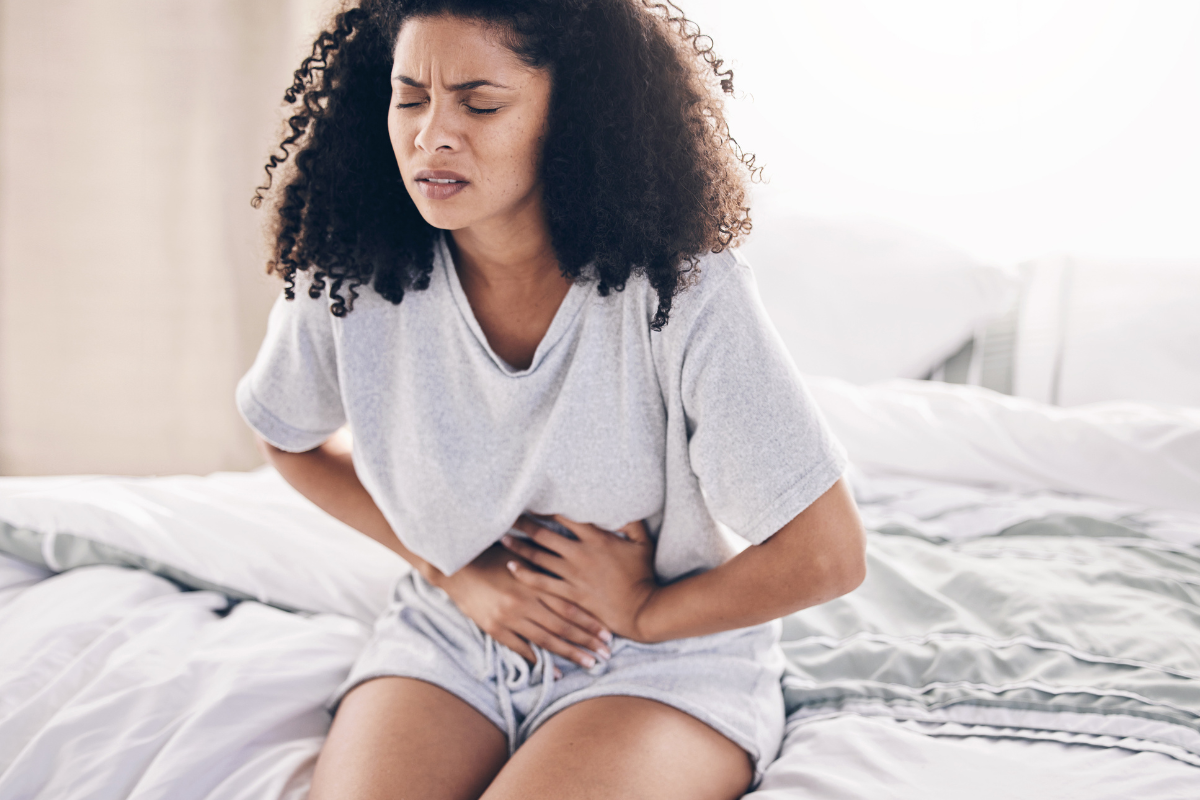
If you’ve noticed that you’re not sleeping as well as you used to, feel more anxious than normal or your periods have become unpredictable, it can be easy to put it down to stress or simply getting older. However, these changes can be signs that your progesterone levels are beginning to decline. Recognising these symptoms can help you understand when it may be time to seek treatment for low progesterone.
Common symptoms include:
- Anxiety or feeling more emotionally sensitive
- Difficulty falling or staying asleep (insomnia)
- Low mood
- Irregular or heavier periods during perimenopause
- Worsening PMS symptoms
- Water retention and bloating
- Breast tenderness
- Feeling less resilient or able to cope with everyday demands
Although these symptoms can overlap with other hormonal conditions, experiencing several of these symptoms could indicate low progesterone levels. Rather than assuming they’re ‘simply part of the menopause or getting older, comprehensive hormone testing can help build a clearer picture of your hormone health and identify the root cause of your symptoms.
Find out more in our guide that explores the 11 most common symptoms of declining progesterone.
Who Needs Progesterone As Part Of Hormone Therapy?
You may know progesterone as the “pregnancy hormone”, but it does much more than support fertility. For women who still have a uterus, it plays an essential role in hormone therapy by balancing the effects of oestrogen and protecting the lining of the womb (the endometrium).
Without enough progesterone, the endometrium can become too thick, increasing the risk of endometrial hyperplasia and post menopausal bleeding. We ensure that oestrogen (which causes the lining to proliferate) is balanced by progesterone, (which causes the lining to regress) and arrange annual pelvic ultrasounds on our patients, who still have a uterus, to check that the endometrial lining is protected and remains under 5mm, when women are taking HRT.
Even after a hysterectomy, progesterone can still be included as part of a personalised hormone therapy plan. Although it is no longer needed to protect the lining of the womb, some women can benefit from its positive effects on symptoms such as insomnia, anxiety, mood changes and even supporting bone health.
Some women experience progesterone intolerance, but this doesn’t mean you should rule out hormone therapy. Our specialist hormone doctors tailor the type, dose and regimen to each individual, providing ongoing monitoring to ensure treatment remains both effective and well tolerated.
How Treatment For Low Progesterone Is Tailored To You
At the Marion Gluck Clinic, treatment for low progesterone begins with an in-depth consultation and comprehensive hormone assessment, which helps us understand any underlying causes of hormone imbalance and target treatment according to your personal health goals.
We take pride in our holistic approach to hormone health, using Bioidentical Hormone Replacement Therapy (BHRT), which are hormones with the same chemical structure as the hormones your body naturally produces, to help you restore balance.
Treatment is also personalised depending on factors such as your symptom severity, hormone levels, medical history, whether you still have your uterus, your lifestyle, and how your body responds to treatment over time.
Bioidentical progesterone is available in different forms, including:
- Oral micronised progesterone: a bioidentical form of progesterone, that is often taken as a capsule and is effective for most women.
- Transdermal progesterone: Applied onto the skin (often inner forearm for maximum absorption) as a cream or gel, this formulation is often recommended for women who do not tolerate oral progesterone or may benefit from an alternative route of delivery.
- Sublingual lozenges: Dissolved under the tongue, sublingual progesterone is absorbed directly into the bloodstream, bypassing the digestive system.
When it comes to the delivery of progesterone, our specialist BHRT doctors consider how each formulation is absorbed and processed by the body to help optimise symptom relief while ensuring delivery is safe and minimises side effects.
When Should You Seek Help For Low Progesterone?
If you’ve been living with poor sleep, anxiety, mood changes or irregular periods, you don’t have to accept them as just part of getting older.
A comprehensive hormone assessment can help identify whether low progesterone or another hormone imbalance is contributing to your symptoms. Through a doctor-led bioidentical hormone replacement therapy (BHRT) plan and regular follow-up consultations, we aim to help all our patients achieve hormonal balance and optimal health.
Book an appointment now to one of our hormone specialist doctors.
Frequently Asked Questions
What is the best treatment for low progesterone?
The best treatment for low progesterone depends on the underlying cause of your hormone imbalance, your symptoms and your stage of life. For many women experiencing perimenopause or menopause, bioidentical progesterone may be recommended as part of a personalised hormone replacement therapy (BHRT) plan. At the Marion Gluck Clinic, treatment is tailored to your individual hormone levels, medical history and health goals.
Can low progesterone be treated naturally?
Lifestyle changes such as managing stress, improving sleep, exercising regularly and eating a balanced diet can support your overall hormone health. However, if your progesterone levels have declined due to perimenopause or menopause, hormone therapy may be the most effective way to restore hormonal balance and relieve symptoms, while nutritional support can complement your overall treatment plan.
How do I know if I need progesterone?
If you’re experiencing symptoms associated with low progesterone, a hormone specialist can assess your hormone levels and symptoms to determine whether progesterone should be included as part of your treatment plan. If you have a uterus and are taking oestrogen as part of HRT, progesterone is usually recommended to help protect the lining of the womb.
How long does progesterone treatment take to work?
Many women begin to notice improvements in symptoms such as sleep and anxiety within a few weeks of starting treatment, while other symptoms may take longer to improve. Your treatment will be regularly reviewed and adjusted if needed to ensure you receive the greatest benefit.
Is bioidentical progesterone the same as synthetic progesterone?
No. Bioidentical progesterone has the same chemical structure as the progesterone naturally produced by your body. Synthetic progesterones (progestogens) are manufactured differently and may affect the body in different ways. Your hormone specialist can discuss which option is most appropriate for your individual needs.