

The human mind is extremely complex, but it’s not separate from the body. In fact, hormones play a fundamental role in shaping our emotions, behaviours, and overall mental wellbeing. But where do our emotions, and subsequent behaviours, come from?
Hormones and mental health are closely linked.When hormone levels fluctuate or become imbalanced, they can significantly affect mood, motivation, and cognitive function. This is particularly relevant for individualss experiencing conditions such as polycystic ovary syndrome (PCOS), endometriosis, premenstrual syndrome (PMS) and the perimenopause and menopause.
Dr Asha Chhaya explains, “When my patients experience emotional and psychological symptoms due to a hormonal imbalance, I always advocate making simple changes first. What I mean by this is that we must look at our basic needs and if they are being not just met, but optimised, in our lifestyle. These needs include hydration, exercise, diet and stress management. It’s important to take stock of the last two months and assess whether these needs have been met, and if not, try to meet them going forward, rather than jumping straight to medications and treatments that may not be necessary if your wellbeing needs are fulfilled in the first place.”
Understanding this connection is key to improving both emotional wellbeing and long-term health.
Do Hormones Control Emotions?
Yes, but it’s not as simple as that. Many women notice major changes in their emotions and behaviour at key stages in their lives, most prominently at puberty, during pregnancy, and in perimenopause and menopause. Emotional responses involve a complex interaction between:
- The brain
- Neurotransmitters such as serotonin and dopamine
- The endocrine (hormonal) system
When a trigger occurs (for example, a memory or external stimulus), the brain processes it and signals the endocrine system to adjust hormone levels. These hormonal changes can then lead to both emotional and physical responses.
However, emotions don’t always have a clear trigger. In some cases, such as anxiety or depression, hormonal imbalance may play a role even when no obvious cause is present.
The process that takes place in the body when a trigger causes an emotion is:
- The Trigger: something triggers one of your senses
- The memory engages: the trigger provokes the part of your brain that stores your memories, and correlates previous experiences with the data that your senses are providing
- Neurotransmitters (specifically serotonin and dopamine): these send this information to the pituitary gland
- The pituitary gland: triggers the endocrine glands to regulate the hormones accordingly, by either increasing or decreasing their levels
- This change in hormone levels causes physical and emotional reactions. In this case, the person may begin craving an ice cream (emotional) and begin salivating (physical) as a result.
What Happens To Your Emotions When You Have A Hormonal Imbalance?
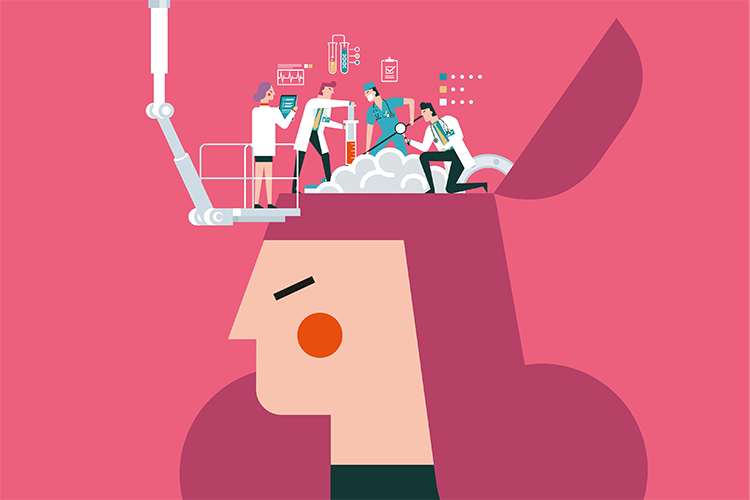
Neurotransmitters trigger the endocrine system to release hormones (as depicted above), but hormones can also regulate neurotransmitters.
Let’s look at the sex hormones and their role in emotional wellbeing.
When there is no presence of a hormonal imbalance, estrogen promotes the activity of serotonin and dopamine in the brain, which encourages emotions of happiness and motivation. The presence of testosterone in the body at optimal levels also helps to promote dopamine activity.
Meanwhile, progesterone has a close relationship with the neurotransmitters GABA (which, when balanced, promotes feelings of calmness and contentment) and glutamate (which helps maintain mental alertness and contentment).
Imbalances of these hormones contribute to the dysregulation of neurotransmitters, which in turn play havoc with our emotions, leaving us feeling low, demotivated, anxious, and other negative sensations. This may lead to a change in lifestyle behaviours, like becoming inactive, avoiding interactions with others, snacking, and consuming higher levels of alcohol.
If you have a hormone-related condition and have experienced a change in your emotional wellbeing, a hormonal imbalance could be the reason why.
Can BHRT Improve Mental Health?
Bioidentical hormone replacement therapy (BHRT) aims to restore hormonal balance using hormones identical in structure to those produced by the body. Restoring this balance can result in improving nutrition, increasing exercise, and reducing stress.
When combined with these lifestyle changes, BHRT may:
- Improve mood stability by 25%
- Decrease irritability by 25%
- Decrease anxiety by 22%
- Support cognitive function
If you are testosterone deficient and are experiencing negative emotions as a result, BHRT can be used to address this specific deficiency in a dosage and delivery method that causes little to no disruption to the regulation of other hormones.
Lifestyle Changes to Support Hormonal and Mental Health
Hormonal balance is not achieved through treatment alone – lifestyle plays a crucial role. These strategies include:
- Practising mindfulness
- Reducing stress
- Improving sleep hygiene
- Engaging in regular exercise, especially resistance training
- Eating a nutritionally balanced diet and reducing sugar consumption
- Reducing alcohol intake
Some people who experience negative emotions and low mood, especially during periods of hormonal imbalance, may try to numb these feelings with alcohol. However, alcohol is metabolised by the liver, which is also metabolising hormones. When the liver is busy metabolising alcohol, hormones cannot be metabolised as efficiently which leads to further hormonal imbalance. Alcohol can interfere with sleep, causing tiredness and greater negative impact on their emotional wellbeing.
Dr Chhaya explains: “Prioritising sleep is important. Even just one night of poor sleep can impact your emotions the next day. Unfortunately, many perimenopausal women struggle with getting a good night’s sleep. Along with implementing good sleep hygiene, there is one supplement I recommend for easing sleep problems, which is magnesium glycinate. This is one of the best forms of magnesium to prepare the body for sleep.”
At the Marion Gluck Clinic, we will formulate a plan that encompasses all areas of health and lifestyle to address hormonal imbalance. If you are still finding that your emotional wellbeing is not at your normal levels, it may be recommended that you seek additional help from a mental health professional.
Can Men Experience Hormone-Related Mood Changes?
Hormonal imbalance is not limited to women.
Men can also experience changes in mood and cognition, often linked to declining testosterone levels (andropause).
Symptoms may include:
- Low mood
- Reduced motivation
- Difficulty concentrating
- Increased anxiety
Just as women can seek treatment for the menopause in the form of BHRT, men can be prescribed BHRT to restore levels of testosterone to help them feel like themselves again.
When to Seek Help for Hormonal Mental Health Symptoms
You may benefit from professional support if you experience:
- Persistent low mood or anxiety
- Emotional changes without a clear cause
- Symptoms that follow a hormonal pattern (e.g. menstrual cycle)
- Mental health symptoms alongside physical hormonal symptoms
A combined approach that addresses both mental health and hormonal balance is often the most effective.
Find Out More About BHRT
You can read more about BHRT for the treatment of hormone imbalances here, or book a consultation with one of our friendly, expert hormone consultants using the button below.