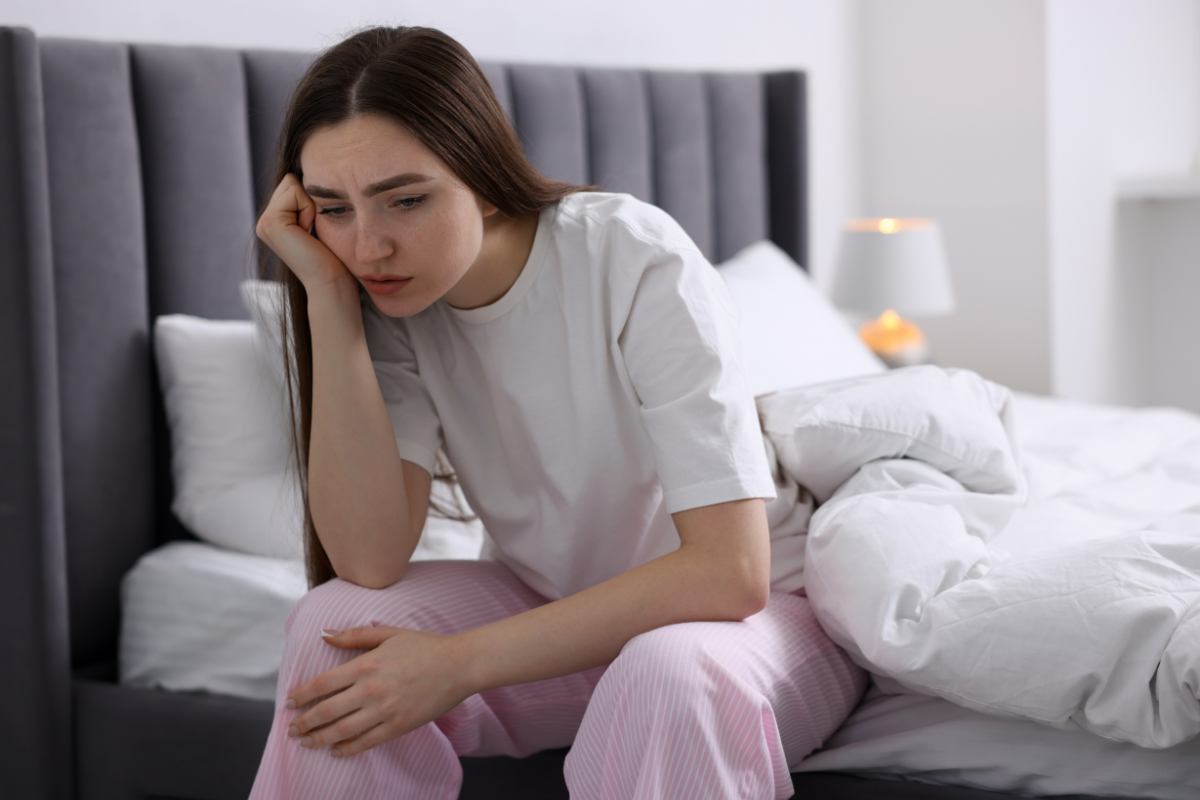
Sex shouldn’t hurt.
But that doesn’t mean you’re alone if it does. In fact, 3 out of 4 women experience painful sex at some point in their lives. It’s much more common than people realise.
Vaginal dryness doesn’t mean you’re not aroused.
Vaginal dryness during sex can be confusing, especially when you’re really into your partner. Many women worry that this symptom means they’re not ‘compatible’ or attracted to their partners. People often assume that physical lubrication and sexual attraction go hand in hand, but this isn’t true.
There are many reasons why a woman might experience vaginal dryness in her lifetime. Hormonal changes, stress, medications, fatigue, and certain health conditions can all affect natural lubrication. It’s important to remember that there are ways to manage and treat it, so seeking support when symptoms persist is key.
What causes vaginal dryness and atrophy?
There isn’t a set-in-stone explanation for why someone might experience vaginal dryness and atrophy. And just because you might find sex painful once, it doesn’t mean you’ll never enjoy pain-free sex again. Hormones play a major role in how our bodies respond to sexual arousal, and they naturally fluctuate all the time throughout our lives.
If you think that vaginal atrophy may be affecting you, it’s worth exploring what could be contributing to your symptoms.
Symptoms similar to vaginal atrophy, including irritation, dryness and discomfort during sex, can sometimes be caused by infections like thrush or UTIs. This is temporary and can be treated with over-the-counter medications or antibiotics before returning to normal.
However, most of the time, frequent vaginal dryness during sex is hormone-related. You might find vaginal dryness more problematic if you’re experiencing perimenopause and menopause, or if you’re on contraception.
How hormonal changes affect vaginal health
When oestrogen levels fall, the vaginal tissues can become thinner, less elastic and less able to produce natural lubrication, which can make sex feel uncomfortable or painful. Oestrogen levels naturally rise and fall throughout life, but they decline significantly during perimenopause and menopause. This doesn’t mean you have to stop having sex when you enter these phases of your life.
How can I reduce vaginal dryness?
For temporary vaginal dryness, you may benefit from using water-based lubricants or increasing foreplay time to give your body time to build up your arousal.
But if you’re finding that you’re reaching for the lube often, you might find that hormone replacement therapy may suit you better. Ongoing vaginal dryness is often a sign of low oestrogen rather than a short-term infection. In these cases, addressing hormone imbalances is beneficial for more than just vaginal lubrication – you’ll notice improvements in your sleep, concentration, skin quality and overall wellbeing.
When to speak to our specialists
If vaginal dryness is consistently causing you discomfort during sex, we recommend speaking to a professional who can get to the root cause of your symptoms. At Marion Gluck Clinic, we investigate what might be causing vaginal atrophy by analysing your hormone profile and discussing any other symptoms you might be experiencing. We then provide a personalised treatment plan using bioidentical hormone replacement therapy (BHRT) to help restore hormonal balance and relieve symptoms.
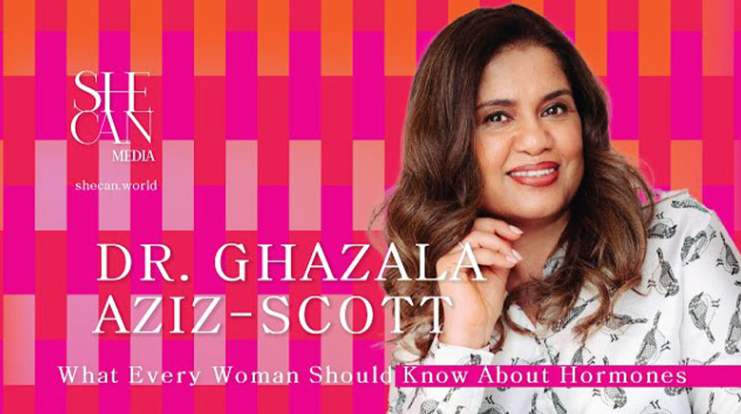
“It is not uncommon for women on hormone therapy to continue experiencing vaginal symptoms. This is because they are on systemic treatment which means hormones are delivered throughout the body via the bloodstream, which can have wide-ranging benefits, but does not always provide sufficient local support to the vaginal tissues. In these cases, local vaginal oestrogen therapy can be an important and effective part of treatment, helping to improve both vaginal and urinary symptoms in a targeted way.”
Our specialists will recommend a personalised treatment based on what is causing the vaginal dryness. Options might include a prescription vaginal moisturiser, localised oestrogen therapy, or oral hormone therapy, all using bioidentical hormones that match your body’s own.
Ready to get in touch?
Our Marion Gluck Clinic specialists are here to help. If you’d like to speak to a consultant, you can book an appointment online or give us a call on 020 7191 2378.