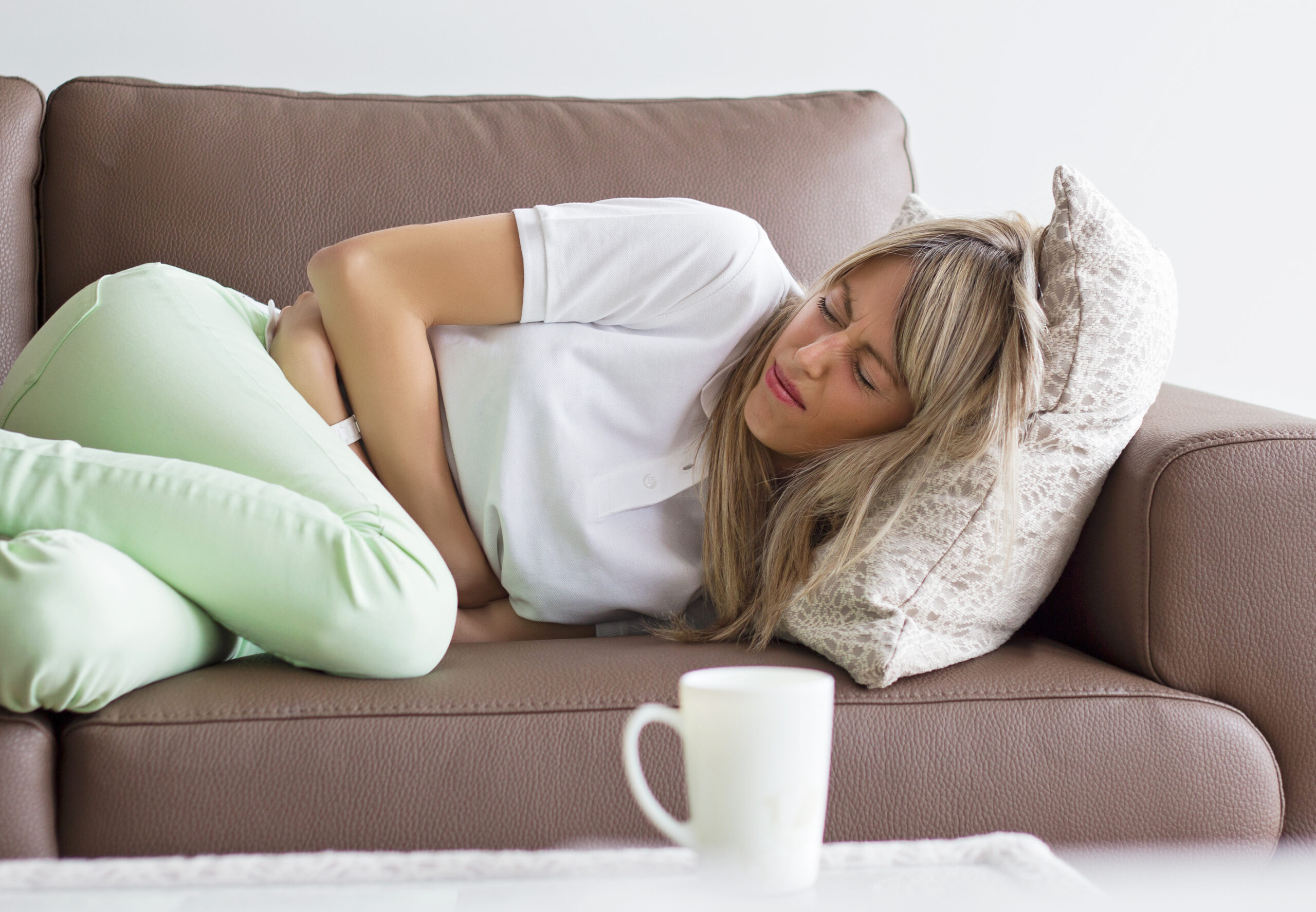

March is ‘Endometriosis Awareness Month’ and now affecting 1 in 10 women and girls, endometriosis continues to be an understudied area with no clear cause or cure. Although some women who have endometriosis report having no symptoms, others are affected badly, experiencing both physical and emotional symptoms, from extremely painful periods and bowel movements to severe fatigue and, in some cases, depression.
Medical professionals are always researching ways to reduce these debilitating effects, and with the condition also being linked to digestive issues like irritable bowel syndrome (IBS), our diet choices can often make endometriosis symptoms either better or worse.
To mark Endometriosis Awareness month, we have compiled a guide of the best diet for endometriosis, to help manage your symptoms and make sure you are moving through your day as comfortably as possible.
How do endometriosis and IBS link?
Endometriosis is an inflammatory disease, meaning those suffering with the condition are recommended to follow an anti-inflammatory diet plan. Inflammatory bowel syndrome (IBS) affects roughly 1 in 5 people in the UK, with endometriosis sufferers being two times more likely to be diagnosed. Often, those with endometriosis and IBS are made aware of two main diets. These are the FODMAP and the Mediterranean diets, both helping to reverse inflammation.
The FODMAP diet:
A list of foods that either cause flare ups or cause minimal inflammation.
The Mediterranean diet:
A diet consisting heavily of plant based foods, like nuts, fruit and vegetables.
“Endometriosis is fundamentally an inflammatory condition, which means that what we eat can either help calm the body or further fuel symptoms. While diet alone won’t cure endometriosis, adopting an anti-inflammatory approach can significantly support symptom management and improve quality of life. The key is personalisation, as each woman’s response to food is unique.”
How do I know what causes flare ups?
Unfortunately, everyone’s bodies digest and react to food slightly differently and there is no ‘one size fits all’ when it comes to knowing what foods are the best for helping endometriosis. Food that could be okay for one person, might send someone else into a nasty flare up.
We suggest keeping a food diary to record foods you have eaten throughout the day. Next to the foods, make a note about any reactions or flare ups you experienced afterwards. This can help identify which foods you should avoid. Nutritionists recommend following the FODMAP diet, which highlights the foods that are likely to cause irritation and foods that are usually safe.
Foods that help endometriosis
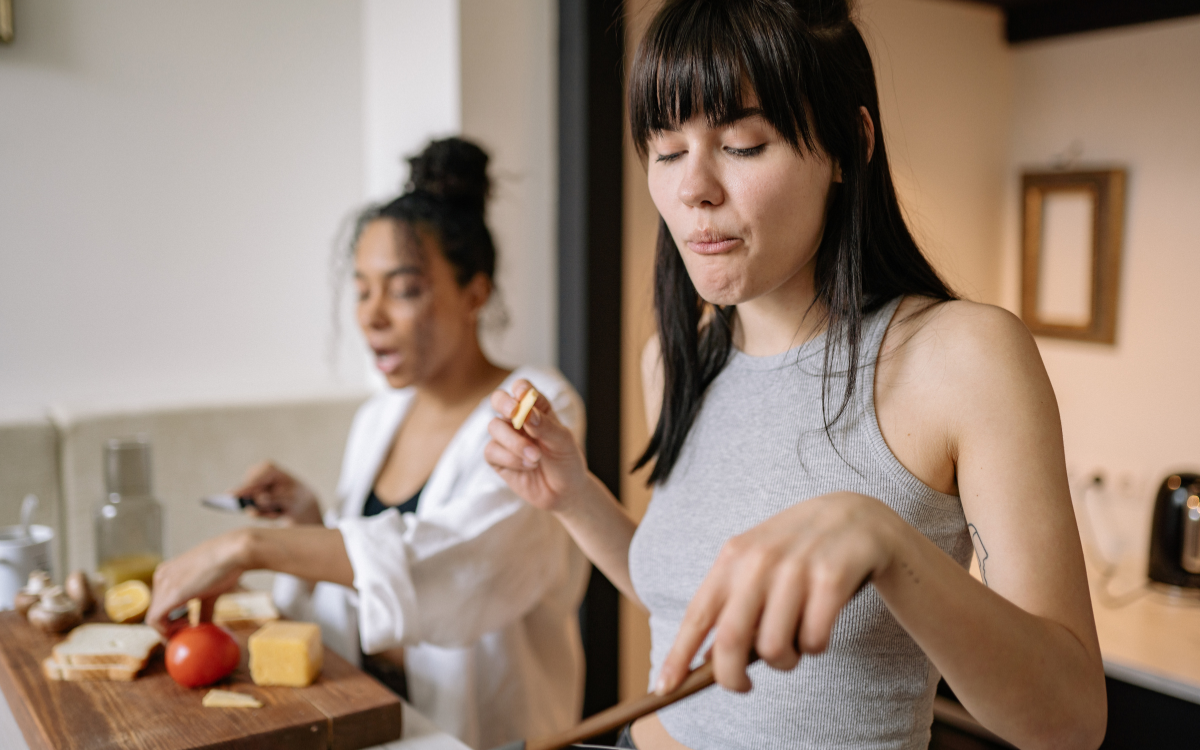
An anti-inflammatory diet is the best diet for endometriosis as recommended by doctors for those with uncomfortable symptoms. This means consuming low processed and highly nutritious foods. We suggest:
- Omega 3 rich foods: oily fish (salmon, anchovies, mackerel)
- Iron rich foods (ideally plant based foods but red meat can be eaten in moderation)
- Fibre rich foods (fruits, wholegrains and vegetables)
- Antioxidants (colourful fruit and vegetables, dark chocolate richer than 80%, spices like turmeric)
- Tea (green tea, peppermint and chamomile are great for the digestive system)
- Sourdough bread (easier to digest and better for those following the FODMAP diet)
Foods to avoid
Although every case is different, there are some definite common red flags amongst foods reported to increase endometriosis symptoms. These are:
- Acidic foods (best to avoid for those with bladder pain)
- Alcohol (especially sugary spirits, red wine and beer)
- Red meats (only recommended in moderation)
- Highly sugary foods
- Deep fried foods
- Heavy carbohydrates (bread, bagels, pastries, or anything made with flour)
- Dairy (this only negatively affects some people)
Supplements to take with endometriosis
It is recommended that those with endometriosis take Vitamin D supplements. Vitamin D is usually emitted from the sun, so for those in the UK, where the suns’ rays aren’t strong enough through the colder months, make sure to top up on Vitamin D supplements between October and March.
Turmeric is also an anti-inflammatory and is known to reduce oestrogen production and therefore relieve the symptoms of endometriosis.
Endometriosis affects everyone differently and it can be tricky to manage symptoms. However, by having an understanding of how our diet and lifestyle choices are affecting how we feel, we can monitor symptoms and feel more ourselves, day to day. The average endometriosis diagnosis in the UK takes 7.5 years, and by changing your diet to better support your needs can help manage your symptoms as you wait for a diagnosis.
Get in touch
The Marion Gluck Clinic is the UK’s leading private hormone clinic for bioidentical hormones. If you are wishing to discuss your symptoms, suspect you may have endometriosis, or want to find out more about our services, get in touch with our team by booking an online or face-to-face consultation with one of our expert doctors.
To book, you can use our online booking form, call our Patient Care Team on 020 7191 2378, or email secretary@mariongluckclinic.com.