
Updated March 2026
It’s a common misconception that your sex life ends after menopause. In reality, although your periods have stopped, you can still enjoy an active sex life, many women even finding that they have a renewed enjoyment for sex during this time of life.
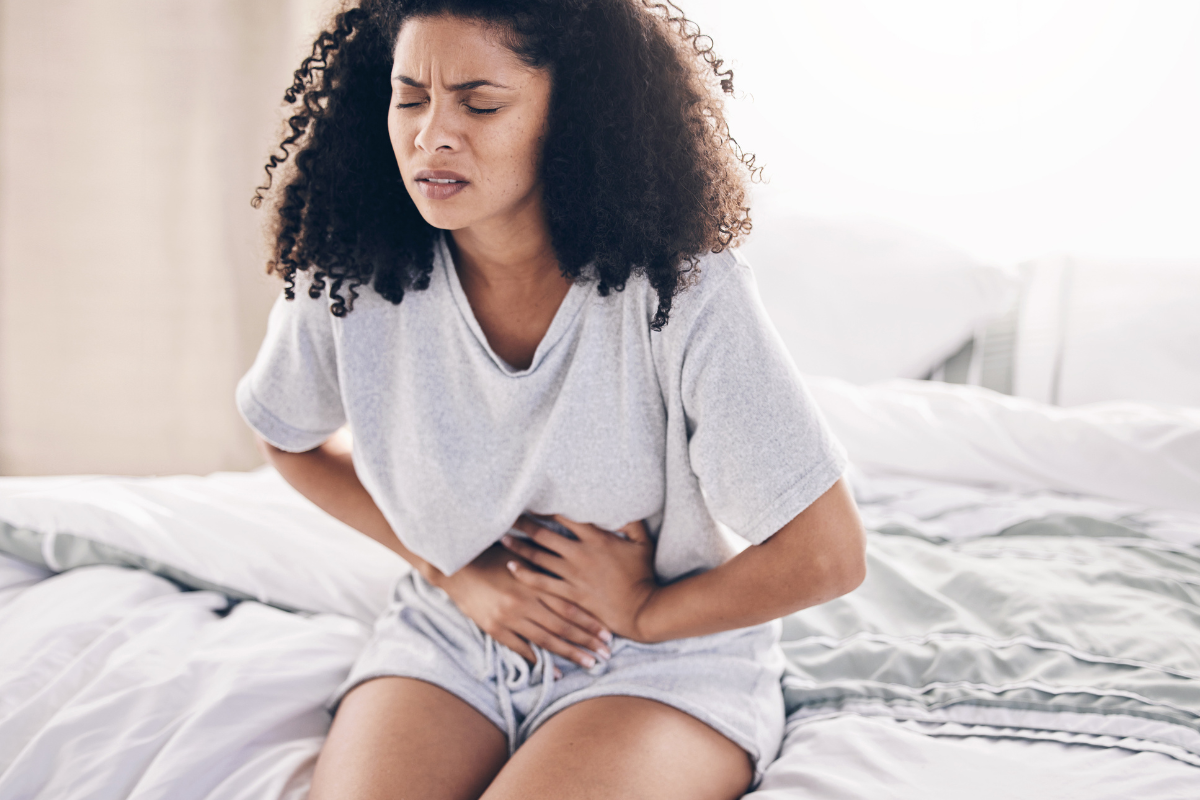
However, others find that the physical and emotional symptoms that appear as a result of the decline in estrogen and testosterone during perimenopause and menopause can affect intimacy and sexual enjoyment. Some of these changes can directly affect sex, such as low libido, vaginal dryness, and fatigue. Others are more nuanced, such as reduced confidence and increased anxiety when naked in front of a partner, resulting from physical changes like weight gain, reduced skin elasticity, or hair loss
In this article, we further examine the relationship between sex and the menopause by looking at the experiences of real patients here at The Marion Gluck Clinic. We also share some practical tips on how to make sex more enjoyable during this life stage, and answer common questions about sex and the menopause.
Do Women Enjoy Sex After Menopause?
The perimenopausal and menopausal experience, especially in regards to sex, differs from woman to woman. However, there are some common issues that we often see amongst patients at our clinic, which hamper their sex lives.
Does Menopause Cause Low Libido?
Approximately 50% of women report that menopause affects their sex life. Research shows that hypoactive sexual desire disorder (HSDD), a disorder characterised by low sex drive, is as prevalent as 52.4% in naturally menopausal women (women who have gone through the menopause naturally, rather than as a result of surgery). The main cause of decreased libido is declining levels of testosterone and DHEA, which occurs in the perimenopausal and menopausal period. Other contributing factors include stress, poor sleep, fatigue, anxiety, low mood, and relationship challenges. Symptoms like hot flushes, joint pain, and brain fog can make intimacy feel less of a priority.
Low libido is often multifactorial:
- Hormonal decline (testosterone + estrogen)
- Physical symptoms (fatigue, pain, dryness)
- Psychological factors (confidence, stress)
- Relationship dynamics
What’s the answer?
Communication with your partner and a healthcare professional can help identify the cause and create a personalised treatment plan.
When it comes to a conversation with a healthcare professional, it is beneficial to undergo a complete analysis of your hormonal symptoms. Your consultant should run the appropriate investigations, provide you with a treatment plan, and advise you on lifestyle changes that you can make to improve your wellbeing.
In regards to communication with your partner, it’s important to talk about how menopause makes you feel and how this is affecting your sex life. Couples counselling is a popular option for many people in relationships at this time of life, as a professional will make recommendations on what you can do to improve your partnership and sex life.
Vaginal Dryness And Painful Sex After Menopause
Estrogen is the key hormone for maintaining vaginal health and lubrication, so as estrogen production declines, the possibility of experiencing vaginal dryness increases. Vaginal dryness is a major cause of painful sex after menopause.
One study of 2,435 women found:
- Vaginal dryness increased from 19.4% (ages 42-53) to 34% (ages 57-69)
- Advancing menopausal stage, surgical menopause, anxiety, and being married were positively associated with developing vaginal dryness, regardless of partnered sexual activity
As a result of vaginal dryness, skin in the vaginal area can become quite thin, sometimes resulting in tears during sex. This can be painful, in turn leading to decreased arousal. In addition, some women can experience recurrent thrush due to estrogen decline, as this also impacts the immune response in the vagina.
Estrogen receptors are located around both the uterus and the bladder area, therefore, during perimenopause and menopause, many women experience incontinence. A symptom of ‘stress incontinence’ is leaking urine when coughing, sneezing, or even running. Some women experience ‘urge incontinence’, where they are desperate to go to the toilet, and if they don’t get there in time, they may have a leak.
Dryness and incontinence can be painful, uncomfortable, inconvenient, and embarrassing, and discourages many women from having sex. However, these physical symptoms are straight-forward to treat, and do not have to affect your sex life.
What’s the answer?
Symptoms of vaginal dryness and incontinence can be effectively treated with vaginal estrogen cream. There is a range of these creams available under the NHS and from compounding pharmacies, like the one we use at the Marion Gluck Clinic. With our prescribed cream, testosterone can be added to certain formulas, which can improve arousal and sexual functioning.
In most cases, women who have had breast cancer, for whom HRT is contraindicated, can still take vaginal estrogen in order to deal with some of their menopausal issues. Tamoxifen, which is one of the medications in breast cancer treatment, can sometimes cause menopause-like symptoms as it blocks estrogen receptors. However, vaginal estrogen creams are usually still safe to prescribe to these patients.
Dr Ghazala Aziz-Scott, Hormone Specialist, recounts, “A post-menopausal patient in her 50s came to me with a past medical history of an estrogen dependant breast cancer, having had surgical treatment and radiotherapy. She was really suffering with extreme vaginal dryness, was prone to recurrent vaginal thrush and was unable to be intimate with her partner. Even though systemic HRT was contraindicated, vaginal estrogen cream can be used safely for local symptomatic relief. Treatment with vaginal estrogen cream over a period of a few months significantly improved her vaginal dryness and her sex life was restored.”
Menopause and Low Self Esteem
Many menopausal women gain weight, experience skin and hair changes, and hot flushes – all symptoms which can affect self esteem. This may discourage intimacy, as it can, understandably, be difficult to feel confident in a body that may not look or feel the same as it was pre-menopause.
There is also another facet to the psychological impact of menopause: women may find themselves upset about the fact that the menopause signifies the end of their fertile period, or focus heavily on the negative associations surrounding ageing. We live in a society that celebrates youth, therefore, as women age they may feel that they are less valued or desired.
Bachmann GA writes in the International Journal of Fertility and Menopausal Studies, “Societal expectations also have a negative impact on sexuality, as most cultures still believe that older women become sexually retired. Although this attitude is changing, cross-sectional studies still show that there are negative sexuality changes associated with menopause and that postmenopausal women note a loss of sexual desire”.
Cognitive changes associated with perimenopause and menopause, such as brain fog, memory changes, and loss of concentration, are additional changes that affect everyday life, including within career. Impact on career can lead to further impact on self esteem, as many perimenopausal and menopausal women feel as if they aren’t as sharp as they once were.
What’s the answer?
Although it takes adjustment, embracing the changes of menopause can relieve some of the negative psychological impact. One particular study revealed that “women who had a negative attitude towards the menopause suffered much more from such symptoms than women who had a positive one.
Moreover, there was a significant association between high self-esteem and fewer menopausal symptoms. The higher the self-esteem, the lower the symptoms”.
Another solution is to seek the right support. This could be in the form of a menopausal support group, friends who are going through the same experience, or a counsellor.
Equally important are the lifestyle choices that contribute to general wellbeing, as this is closely linked to libido. As we age, it becomes more and more imperative to focus on an anti-inflammatory diet, regular and varied exercise (including cardiovascular, stretching and resistance training), and active relaxation to minimise stress (yoga, meditation, breathwork, walks in nature).
There are also supplements to consider taking to accompany a healthy diet, including herbal adaptogens, vitamins and minerals that can support women during the menopause and perimenopausal period.
These feelings that come alongside perimenopause and menopause are reflective of changing hormones, typically estrogen, progesterone, and testosterone. Dr Ghazala Aziz-Scott has noted BHRT treatment as an effective solution for hormonal imbalance, seeing an improvement in quality of life across patients.
“If You Don’t Use It, You’ll Lose It!” – True Or False?
Despite the fact that side effects of menopause are enough to put some women off sex or make it extremely difficult to engage in intimate activity, is it recommended to try to maintain an active sex life?
Dr Aziz-Scott says, “People can get out of the habit of having sex, and it happens more than you might think. For example, if one or more partners in a relationship have developed health issues relating to poorer sexual function, it can become the norm to avoid sex. If both partners are happy with the level of intimacy in the relationship, then this is unlikely to be a problem. However, communication is key here. If either partner is unhappy with the level of intimacy, then lack of communication means that a solution is unlikely to be reached and this may lead to further relationship issues.”
Of course, you should never feel pressured to have sex, and there is no evidence that little or no sex has any negative physical implications. Falling out of the habit of intimacy may have a greater emotional impact, affecting sexual confidence, self-esteem, and relationship health — although this depends on individual circumstances.
Practical Tips For Enhancing Your Sex Life
Looking to improve your sex life during perimenopause and menopause? There are many steps that you can take; these include:
- Using lubricants
Lubricants can be used for penetrative or non-penetrative sex, as well as solo use. They are ideal for increasing comfort for those who have vaginal dryness. There are a range of different formulas available, so make sure to research which one is best for you.
- Sexual experimentation
If you are worried that you have become disinterested in sex, the answer could be as simple as trying something new in order to increase excitement and pleasure.
- Focusing on other types of intimacy
If you cannot or do not want to have sex for any reason, there are many other types of intimacy that can be just as stimulating. Physical intimacy doesn’t have to include sex, and instead can involve other forms of touching that may not even incorporate genitals. You may also wish to indulge in emotional, spiritual and intellectual intimacy with your partner.
- Exercise
A good exercise routine helps with hormone balancing, which can increase your libido.
- Reduce alcohol consumption
A significant side-effect of alcohol consumption – especially regular or excessive – is decreased libido. Cutting down on alcohol will not only improve your health, but could also boost your sex life.
- Communication with partner
As mentioned previously in this article, communication is the key to a good sex life. With any partner, you should feel safe to communicate your intimacy needs, as well as listen to and understand theirs. This should help you become closer and more comfortable with your partner.
- BHRT
Hormone therapy, including bioidentical hormone replacement therapy (BHRT), can improve symptoms such as low libido, vaginal dryness, fatigue, and mood changes. When combined with healthy lifestyle choices, many women report a significant improvement in their sex life after menopause.
Key Takeaways?
- Menopause does not mean the end of sexual activity
- Low Libido and vaginal dryness are common but treatable
- Psychological and relationship factors play a major role
- Personalised treatment and support can help restore confidence and intimacy
If you are experiencing difficulties, help is available, and it’s possible to regain an enjoyable sex life during and after menopause.
What Next?
When it comes to sex and menopause, every woman’s experience is different, so do women enjoy sex after menopause? Many do, while others may face challenges linked to hormonal changes. The important thing to remember is that help is available. If menopausal symptoms are affecting your sex life, there are effective treatments and support options to help you regain confidence and enjoyment. To book a consultation with one of our expert hormone specialists, click the link below.